
The Sydney Interior Painting Checklist: What to Do Before Painters Arrive (So You Get a Better Finish)
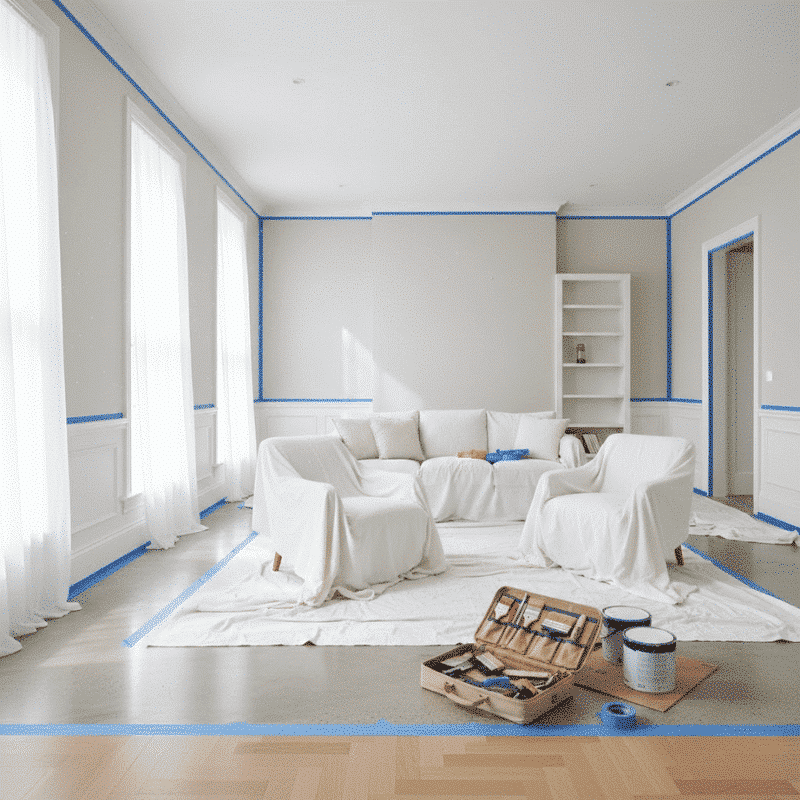
A great interior paint job doesn’t start with colour. It starts with prep.
If you’ve booked painters (or you’re about to), a little organisation on your side can mean:
- Cleaner edges and a smoother finish
- Less dust and mess through the house
- Fewer “surprises” that blow out time and cost
- A faster, calmer job for everyone
Sydney homes have their own quirks too: apartment access, street parking, strata rules, humid days, kids and pets underfoot, and busy schedules. This guide gives you a practical, Sydney-friendly checklist you can follow without overthinking it.
Quick answers Sydney homeowners want first
What should I do before painters arrive?
Do these five things and you’re already ahead:
- Clear walls (art, hooks, shelves) and label anything you remove
- Move small items and breakables out of the work zone
- Give painters clear access (keys, parking plan, lift booking if needed)
- Confirm colours/finishes in writing and choose the painting order (room sequence)
- Keep pets and kids safely away from the work area
Do I need to move furniture?
In most cases, yes—at least away from walls. Many painters will help shift larger pieces, but it’s best to:
- Move small furniture yourself
- Empty and move fragile display items
- Clear pathways so the crew can carry ladders, drop sheets, and gear safely
Why prep matters so much in Sydney homes
Sydney weather and lifestyle can be hard on paint. Humidity can slow drying, salty air can creep into coastal areas, and busy households mean walls get touched, bumped, and cleaned often.
Good prep reduces the risk of:
- Flaking and peeling (poor adhesion)
- Visible patch marks and “picture framing” around repairs
- Dust nibs in the finish (especially on dark colours and low-sheen walls)
- Paint on floors, trims, or fixtures because masking was rushed
And the big one: prep helps your painters focus on the quality coats, not avoidable delays.
Your Sydney prep timeline checklist (week before → morning of)
7–5 days before: plan the job like a pro
Confirm the scope (so nothing is assumed)
- Which rooms are included (and which aren’t)
- Ceilings, walls, trims, doors, built-ins, wardrobes
- Feature walls or colour changes
- Any repairs included (minor patching vs larger plaster work)
Lock in your paint decisions
- Finalise colours and sheen/finish for each surface
- Ceilings are commonly flat/matte
- Walls often low sheen
- Wet areas and high-traffic zones may suit a tougher finish
- Decide if you want low-odour or low-VOC options (handy for families or WFH)
Choose the room sequence
A smart order reduces disruption:
- Bedrooms and less-used rooms first
- Living areas next
- Kitchens/wet areas at the end (so you’re not without essentials too early)
Sydney access planning (don’t skip this if you’re in an apartment)
- Book the lift (if required by strata)
- Confirm visitor parking, loading zones, or best street parking times
- Notify building management if they need advance notice for trades
Do a “stuff audit”
Walk room to room and identify what needs moving:
- Artwork, mirrors, clocks
- Shelves, hooks, wall-mounted organisers
- TVs, soundbars, consoles
- Lamps, plants, fragile décor
- Kids’ items and toys that migrate everywhere
4–3 days before: declutter and clear the work zones
This step is where homeowners win the most time back.
Clear surfaces
- Benchtops, shelves, entertainment units, bedside tables
- Anything small enough to trap dust or get paint splatter
Take down wall items
- Remove art and hardware where possible
- Put screws and hooks into labelled zip bags per room (you’ll thank yourself later)
Sort what stays vs what leaves
- Best case: move items into a garage, spare room, or storage
- If you can’t: centralise furniture in each room so painters can cover it properly
Empty what matters
- Built-in shelves or bookcases being painted need to be emptied
- Wardrobes: remove anything close to the painting zone and cover the rest
Protect valuables
- Jewellery, passports, small electronics, and sentimental items should be put away
- Consider moving fragile items off-site if you’re anxious about dust or knocks
48 hours before: wall and room prep that actually helps
This is where you can assist without accidentally creating more work.
Dust and wipe high-contact areas
Focus on:
- Light switches and around door handles
- Skirting tops (they collect dust)
- Kitchen splashback zones
- Bathroom walls where there’s soap residue
If walls are grimy, clean gently
- Use a mild cleaner and a soft cloth
- Avoid soaking plasterboard/gyprock
- Let everything dry completely before painting begins
Flag (don’t hide) problem areas
Walk the house and make a list:
- Cracks that reappear
- Water stains or bubbling paint
- Mould spots (especially bathrooms and south-facing rooms)
- Doors that stick or trims that have gaps
A good painter will want to see these early so the right primers and prep can be planned.
Patch vs don’t patch (homeowner-safe guidance)
You can do:
- Tiny nail holes with lightweight filler
- Very light sanding once filler is fully dry
You should avoid:
- DIY patching large areas if you’re not confident (it can telegraph through the finish)
- Painting “test patches” on repaired spots right before the job
- Using random silicone around trims (many silicones aren’t paintable)
If you’re unsure what to tackle yourself, get help with interior painting preparation so you don’t create extra sanding and levelling work.
The day before: make the job easy to start on time
Move furniture away from walls
Aim for:
- 60–90 cm clearance where possible
- Clear walkways for ladders and drop sheets
- Space near the doorway for gear staging
Remove soft furnishings if you can
- Curtains and blinds (at least tie them up/out of the way)
- Rugs and mats
- Cushions and throws that collect dust
Take off plates and covers
- Switch plates and power point covers (if you’re comfortable doing so safely)
- Label them per room for quick reinstall
Prep floors
- Vacuum thoroughly (dust becomes paint grit)
- If you have delicate floors, tell your painters so they can choose the right protection
Plan ventilation
- Identify which windows can be opened safely
- Decide which rooms need doors closed (kids/pets zones)
- If it’s humid or rainy, airflow still matters—just avoid blasting outdoor moisture into wet paint
The morning painters arrive: “handover” checklist
This is the part that keeps the day calm.
- Make sure access is sorted (keys, intercom, parking plan, lift booking)
- Point out bathrooms they can use (if you’re comfortable) and any house rules (shoes, alarms)
- Do a quick walkthrough:
- Confirm colours and sheen
- Confirm what gets painted (and what doesn’t)
- Identify any fragile areas (heritage trims, delicate floors, freshly sanded timber)
If you want the smoothest experience end-to-end, this is where working with a team focused on quality interior painting for Sydney homes really pays off—because planning and communication are part of the service, not an afterthought.
Room-by-room prep notes (Sydney practicalities)
Living rooms and open-plan areas
- Disconnect and move electronics away from walls
- Photograph cable setups before unplugging
- Clear bookcases and display shelves if they’re close to the painting zone
- Move plants out (soil and water don’t mix well with drop sheets)
Bedrooms
- Strip beds away from walls (or move the whole bed to the centre)
- Clear under-bed storage if skirtings will be painted
- Move makeup, fragrances, and aerosols out of the room (odours linger)
Hallways and stairs
These are high-traffic zones and often the messiest.
- Clear shoe racks and hooks
- Remove hallway runners
- Plan a safe walkway if you still need to move through the house during the job
Kitchens
Kitchens need extra planning because daily life can’t stop.
- Clear benchtops fully
- Empty items near splashback zones
- Decide how you’ll handle meals (simple prep, takeaway, or using an alternate area)
- If cabinets are being painted, empty them completely and label shelves/drawers
Bathrooms and laundries
- Remove towels, bathmats, and toiletries from exposed areas
- Flag mould, peeling paint, or old silicone lines early
- Ensure the exhaust fan works (ventilation matters here)
Pets, kids, and working from home
Pets
- Set up a “safe room” away from the job with water, bedding, and toys
- Keep cats inside and away from open doors/windows
- Let painters know about nervous pets (sudden ladder movement can spook them)
Kids
- Pack away toys that roll under drop sheets
- Talk through “no-go zones” (fresh paint can look dry before it’s cured)
- Consider scheduling the messiest rooms during school hours if possible
Working from home
- Choose one room as your quiet base
- Ask for an estimated daily schedule (sanding is louder; cutting-in is quieter)
- Keep video calls out of rooms that are drying—odour and airflow can be distracting
Sydney apartments, strata, parking, and access
Sydney logistics can make or break the first day.
- If you’re in a strata building:
- Ask if there are trade access hours
- Book lifts if required
- Protect common areas where needed (some buildings require this)
- Parking:
- Confirm visitor parking or best street options
- If parking is tight, consider reserving a spot or timing arrival outside peak traffic
- Security:
- Let concierge/building management know who’s arriving and when
- If keys are needed, agree on secure handover
What NOT to do before painters arrive (common mistakes)
These are the classic “I was trying to help” traps.
- Don’t pressure-wash interior walls or soak plasterboard
- Don’t use strong degreasers everywhere (residue can affect adhesion)
- Don’t patch large wall areas unless you’re confident you can feather and sand smoothly
- Don’t leave furniture pushed against walls and hope painters will “work around it”
- Don’t forget wardrobe and cupboard doors—open doors can block access
- Don’t ignore water stains or mould (they often need specific primers or treatments)
Questions to ask your painter before day one (so expectations are clear)
Use these to avoid miscommunication:
- What exactly is included in prep (cleaning, patching, sanding, caulking)?
- Who moves large furniture, and what should I move myself?
- How will floors and furniture be protected?
- What drying and recoat times should I expect (especially in humid weather)?
- When can I put furniture back and hang art again?
- How will touch-ups and final walkthrough work?
If you’re still deciding who to hire, look for a team that’s clear on prep, process, and protection—not just price. That’s how you get a finish you’re proud of. For a straightforward start-to-finish approach, explore interior house painting in Sydney with Mi Painting & Maintenance.
Sydney-ready “printable” checklist summary
One week before
- Confirm rooms, surfaces, and inclusions
- Lock in colours and finishes
- Choose the room sequence
- Plan strata/lift/parking access (if relevant)
- Start decluttering and sorting storage zones
3–4 days before
- Remove wall items and label hardware
- Clear surfaces and pack breakables
- Empty shelves or cabinetry being painted
- Protect valuables and sensitive items
48 hours before
- Dust/wipe high-touch areas
- Gentle wall cleaning where needed
- Identify cracks, stains, mould, peeling paint
- Do only small, confident patching (or leave it to the pros)
Day before
- Move furniture away from walls
- Remove rugs and soft furnishings
- Vacuum floors
- Confirm ventilation plan and safe zones for kids/pets
Morning of
- Ensure access, keys, parking, lift booking
- Walk through colours/finishes and scope
- Point out problem areas and fragile surfaces
- Agree on daily check-in times if you’ll be home
A quick note on licensing in NSW (trust and peace of mind)
If you’re hiring painters, it’s fair to ask about qualifications, insurance, and (when relevant) licensing. NSW has specific rules around when a contractor licence is required for residential building and trade work above certain thresholds, and there are also definitions around what counts as “painting work”. You can read the official NSW guidance here: NSW Government guidance on painting work and licensing.
Final word: prep is the fastest way to get a better finish
You don’t need to do everything yourself. You just need to do the right things at the right time.
When the home is clear, the plan is confirmed, and access is easy, painters can focus on what matters: crisp cutting-in, smooth rolling, and a finish that looks great for years. If you’d like a team that handles prep properly (and explains what they’re doing along the way), Mi Painting & Maintenance can help.