
How Long Does Exterior Paint Last in Sydney?
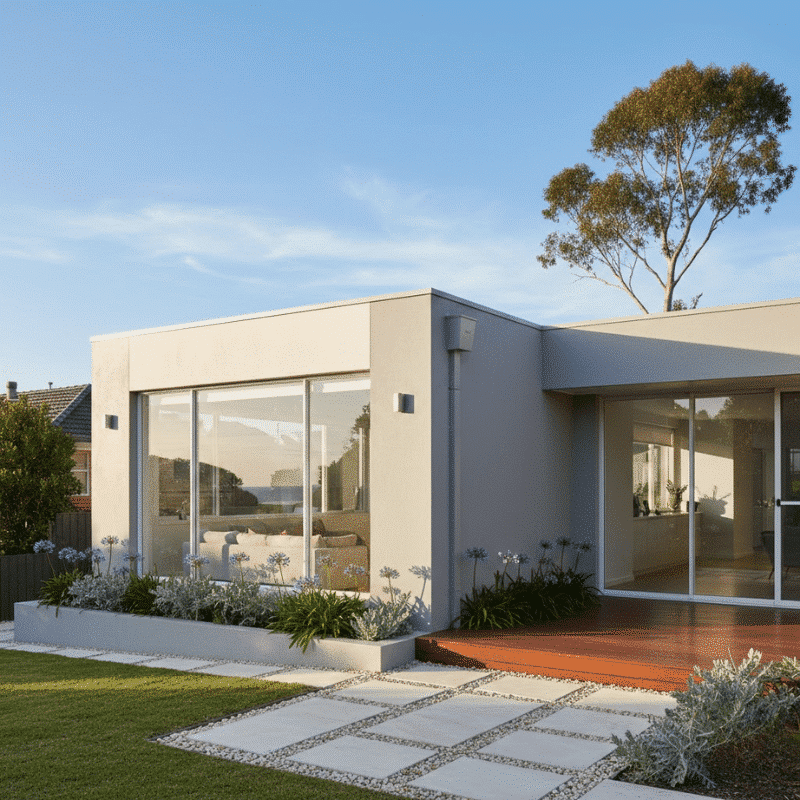
Sydney is a beautiful place to own a home… and a brutal place for exterior paint.
Between strong UV, humid spells, salty coastal air, and sudden rain bursts, the outside of your house takes a beating. If you’re asking “how long should my exterior paint last?”, the honest answer is: it depends on exposure and preparation more than most people realise.
In this guide, you’ll get realistic Sydney-specific lifespan ranges, what shortens paint life the fastest, and a simple maintenance plan to stretch your next repaint by years.
The quick answer (Sydney exterior paint lifespan ranges)
For most Sydney homes, exterior paint typically lasts:
- 7–12 years on well-prepped, sheltered walls using quality exterior systems
• 5–8 years on high-exposure walls (north/west-facing, little shade, weather-exposed elevations)
• 3–6 years in harsher coastal conditions (salt spray + wind + UV), especially on neglected surfaces
• 10–15 years is possible on protected areas (eaves/soffits and shaded sections) with excellent prep, premium coatings, and regular washing
If you’re close to the coast (think Northern Beaches, Eastern Suburbs, parts of the Shire), salt and wind-driven moisture can reduce lifespan faster than you’d expect. Sydney also experiences high UV levels across much of the year, and UV is one of the biggest drivers of paint film breakdown and fading.
Why Sydney conditions shorten paint life
Exterior paint doesn’t “wear out” evenly. It fails where the environment attacks it hardest.
UV exposure (Sydney’s biggest paint killer)
UV radiation breaks down binders in paint over time. That shows up as:
- Fading and colour change
• Chalking (a powdery residue)
• Brittleness that leads to cracking and peeling later
If you want to understand just how intense UV can be across Australian cities, ARPANSA’s live UV Index monitoring is a useful benchmark for what your paint is up against.
Chalking is also a well-documented symptom of exterior weathering, and it’s a key early warning sign before bigger failures appear.
Humidity + rainfall + “not enough drying windows”
Sydney can be humid (especially late summer), and there are periods where damp conditions linger. That matters because:
- Moisture can worsen mould/algae on shaded walls
• Paint struggles to cure properly if applied in poor conditions
• Timber swelling/shrinking (especially weatherboards) stresses the coating
BOM climate tables for Sydney (Observatory Hill) show the reality of monthly rainfall patterns and seasonal conditions that influence exterior painting windows and long-term exposure.
Coastal salt air and wind
If you’re within a few kilometres of the ocean, salt can accelerate corrosion on metal, increase surface contamination, and contribute to premature breakdown if surfaces aren’t washed and primed properly.
Coastal homes often need:
- More frequent washing
• Stronger prep (salt removal and correct primers)
• More durable topcoat systems
Heat cycles and harsh sun on north/west walls
Sydney’s west and northwest winds and hot days can turn north/west-facing elevations into the “high wear zones” of your home. These walls commonly show:
- Faster fading
• More chalking
• Earlier micro-cracking
That’s why two walls on the same house can age at completely different speeds.
What exterior paint life looks like by surface (Sydney homes)
Different materials move, breathe, and hold moisture differently. Here are realistic expectations when prep is done properly.
Weatherboard homes (common in the Inner West, North Shore, older suburbs)
Weatherboards expand and contract with humidity and heat, stressing the paint film.
Typical lifespan in Sydney:
• 6–10 years average
• 4–7 years on high-exposure elevations
• 7–12 years in sheltered, shaded areas with great prep
Key risk factors:
• Peeling from moisture ingress, failed caulking, or old paint layers
• End-grain boards and exposed joints that suck in water
Brick (painted brick or rendered brick)
Brick itself is durable, but paint performance depends on moisture and breathability.
Typical lifespan in Sydney:
• 7–12 years when moisture issues are controlled
• 5–8 years where walls stay damp or are near garden beds/sprinklers
Watch for:
• Efflorescence (salts pushing through)
• Bubbling/blistering where moisture is trapped behind paint
Render (modern and older rendered finishes)
Render can micro-crack and hold moisture. Good primers and flexible coatings matter.
Typical lifespan in Sydney:
• 6–10 years average
• 4–7 years in coastal zones or on cracked render if not repaired correctly
Timber trims, fascia, eaves, doors, and windows
Trims fail faster because edges and joins are vulnerable and often get more sun.
Typical lifespan in Sydney:
• 5–9 years for trims (sometimes sooner on hot sun-facing sides)
• 8–12 years under wide eaves or well-protected areas
The “Sydney exposure test” (how to predict your paint lifespan)
If you want a quick way to estimate how long your exterior paint will last, look at four things:
1) Which direction does the wall face?
- North and west = highest UV + heat → shorter lifespan
• South and east = cooler, more shade → often longer life, but can be mould-prone
2) Is it coastal or inland?
- Coastal = salt + wind-driven moisture → more frequent washing needed
• Inland/Western suburbs = harsher heat cycles → more UV-driven fading on exposed sides
3) Is it sheltered?
- Protected by eaves, trees, neighbouring structures = longer life
• Fully exposed to rain and sun = shorter life
4) How good was the prep last time?
This is the big one. A premium topcoat on poor prep can still fail early.
If you’re unsure what “proper prep” looks like (or you suspect the last paint job was rushed), speaking with a trusted exterior painting team in Sydney can save you from repainting years earlier than necessary.
What shortens exterior paint life fastest (and how to avoid it)
Here are the most common “lifespan killers” we see around Sydney homes, plus practical fixes.
Painting over contamination (salt, chalk, dust, pollution film)
If the surface isn’t cleaned properly, paint sticks to dirt instead of the wall.
What to do:
• Thorough wash (especially coastal homes)
• Remove chalking before repainting
• Let surfaces dry fully before priming/topcoating
Chalking, in particular, needs proper attention because it can keep returning if the underlying weathering isn’t addressed.
Moisture issues (leaks, rising damp, blocked gutters)
Paint is not waterproofing. If water is getting in behind the coating, it will eventually blister and peel.
What to do:
• Fix gutters, downpipes, roof leaks first
• Check garden beds are not bridging weep holes
• Improve drainage and airflow around damp zones
Skipping repairs (cracked render, failed caulking, rotten timber)
Paint won’t “hide” structural problems for long.
What to do:
• Repair cracks correctly (not just a quick filler smear)
• Replace rotten timber
• Re-caulk joins properly before topcoats
Using the wrong product system for the substrate
Not all exteriors are the same. A coating system should match:
- Substrate type (timber, masonry, render, metal)
• Exposure level (coastal, full sun)
• Existing coatings (oil vs water-based histories)
If you want help selecting a durable system for your home’s specific materials and exposure, you can learn more about exterior painting services and what’s involved beyond “just painting”.
A simple Sydney maintenance schedule to extend paint life
You don’t need to repaint more often—you often just need to maintain smarter.
Every 6 months (coastal) or annually (inland)
- Wash exterior walls to remove salt, grime, and pollution film
• Check for early chalking on sun-facing elevations
• Inspect timber trims for splitting or gaps at joins
Coastal tip: if you’re near surf and onshore winds, washing more often can make a noticeable difference because salt buildup is relentless.
After heavy rain events or stormy periods
- Check gutters/downpipes for overflow stains
• Look for bubbling paint or new damp patches
• Inspect lower walls and shaded corners for mould/algae
Mould thrives in warm, damp conditions and can be reduced with good ventilation, moisture control, and cleaning where it appears.
Every 2–3 years
- Touch up exposed timber edges and vulnerable joins
• Re-caulk where gaps have opened (especially around windows/doors)
• Address any hairline render cracks early
A small, well-timed touch-up can prevent a minor weakness becoming a full repaint years ahead of schedule.
Signs it’s time to repaint (not just touch up)
Touch-ups work when the coating system is still fundamentally sound. Full repaints are needed when the “film” has failed.
Repaint indicators
- Widespread chalking that keeps returning after washing
• Consistent peeling or flaking across multiple elevations
• Blistering (often moisture-related)
• Cracking that’s spreading, especially on sun-facing walls
• Bare substrate showing through (timber/undercoat exposed)
• Persistent mould/algae staining that quickly returns
If you’re seeing multiple issues at once, it’s usually more cost-effective to plan a proper repaint than to chase endless patches.
For Sydney homes where exposure varies by elevation, a professional assessment can prioritise the worst sides first and help you budget smarter. If you’re weighing options, explore quality exterior painting for Sydney homes and what a longer-lasting system looks like in practice.
Sydney-specific lifespan examples (to make this real)
Here’s how the same “10-year” paint job can play out very differently around Sydney:
Coastal (Northern Beaches / Eastern Suburbs)
Likely outcomes:
• Faster fading on exposed elevations
• More frequent washing needed
• Earlier failure on metal elements if corrosion starts
Realistic expectation: 3–6 years on high-exposure sides without maintenance, 5–8 years with good upkeep and correct coating systems.
Leafy, shaded suburbs (parts of the North Shore / Inner West)
Likely outcomes:
• Less UV damage in shade
• Higher risk of mould/algae on south-facing walls
Realistic expectation: 7–12 years, but with more attention to cleaning and moisture control.
More inland / hotter exposure pockets (Western Sydney edges)
Likely outcomes:
• Stronger UV-driven fading and chalking
• Heat cycles stress timber trims and caulking
Realistic expectation: 5–8 years on the harshest elevations, longer on sheltered walls.
Frequently Asked Questions
How often should you repaint a house exterior in Sydney?
Most homes will repaint every 7–12 years, but sun-facing and coastal sides may need attention sooner (often 5–8 years). Maintenance washing and early repairs can push the timeline out.
Does salt air really damage exterior paint?
Yes. Salt contamination contributes to adhesion issues, accelerates corrosion on metal, and increases surface grime buildup—especially when paired with wind and UV. Regular washing and correct prep make a huge difference.
Why is one side of my house fading faster?
In Sydney, the north and west sides typically get more harsh sun and heat, causing faster fading, chalking, and surface breakdown than sheltered or shaded elevations.
Is chalking a serious problem or just cosmetic?
Chalking starts as cosmetic (powdery residue and fading) but it’s also a sign the paint film is breaking down. If ignored, it can contribute to poor adhesion for future coats.
Can I just paint over peeling areas?
Only if peeling is localised and you remove all loose paint, fix moisture issues, sand/feather edges, prime correctly, and match the coating system. If peeling is widespread, it’s usually a full-prep repaint job.
What’s the best season for exterior painting in Sydney?
You want stable weather, low rain risk, and good drying conditions. Spring and autumn often provide the most reliable windows, but the real answer depends on your microclimate and the week’s forecast.
Does expensive paint always last longer?
Not always. Paint quality matters, but prep + primer + correct system matters more. A premium topcoat over poor prep can still fail early.
What maintenance gives the biggest lifespan boost?
For Sydney homes, the biggest wins are:
• Regular washing (especially coastal)
• Fixing gutters/leaks quickly
• Touching up vulnerable trims and joins before water gets behind the paint
The best “long-life” exterior paint strategy for Sydney homes
If your goal is to repaint less often, focus on this order of operations:
- Solve moisture first (gutters, leaks, damp zones)
• Prep properly (wash, remove chalking, sand, repair, prime)
• Use the right system (primer + topcoats matched to substrate and exposure)
• Plan maintenance (wash + inspect on a schedule)
One final Sydney-specific tip: treat your house like it has “zones”. Spend more time and durability on the harsh elevations (north/west/coastal-exposed) and keep sheltered areas on a normal repaint cycle.
Final thought (and a credible UV benchmark)
If you want a simple way to justify why Sydney exteriors age faster than people expect, UV is the cleanest explanation. You can view Australia’s live UV Index monitoring via ARPANSA’s UV radiation index to get a feel for the conditions your paint is facing year-round.
When you combine that UV load with humidity, rain, and coastal salt, the “average” paint lifespan becomes much more location and exposure dependent—which is exactly why a tailored approach (and a maintenance plan) pays off.

