
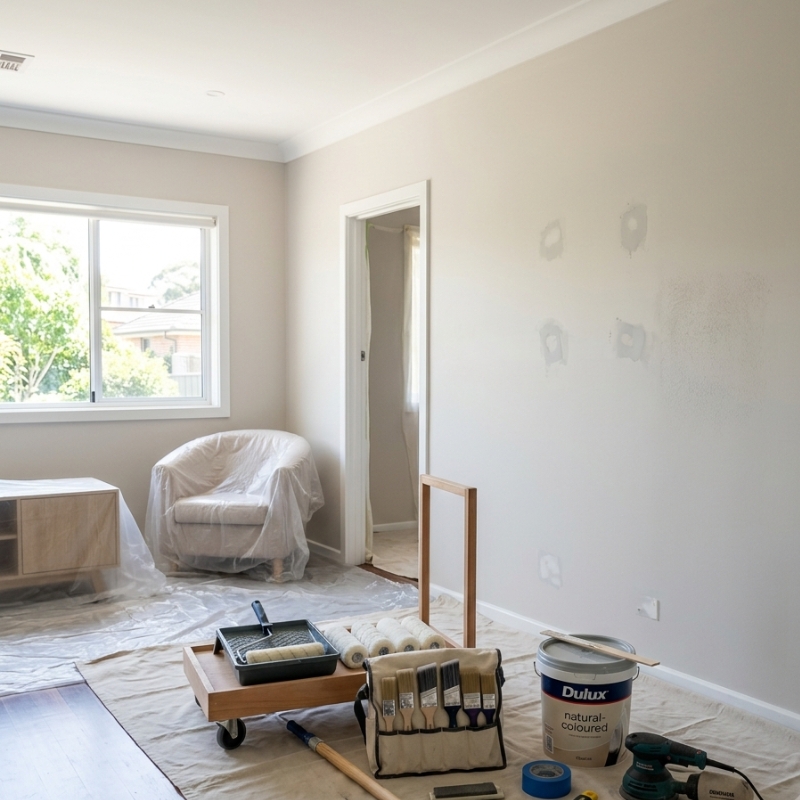
Not much transforms a house as fast as fresh paint. Most Sydney homeowners hit that moment eventually — the walls looking tired, the trim gone yellow, a roller practically calling their name. But the choice between a weekend paint job and bringing in a crew is about a lot more than the number on the receipt at the checkout. Surface prep, the warranty, the safety rules, the scheduling — they all feed into the budget in ways people almost never tally up front.
Quick disclaimer: there’s no single right answer for every house. What follows is just an honest look at the costs that tend to get missed when you’re weighing up doing it yourself versus calling in residential painting specialists.
Why DIY Appeals but Costs Stack Up
The hardware chains sell painting as the classic easy win. The shelves are full of it — pre-taped drop sheets, little sample pots, five-in-one gadgets that promise to speed everything up. And the upfront spend does look modest: a few tins of low-VOC acrylic, a roller kit, maybe a ladder. But the appeal isn’t only about money:
- You control the timing — paint late at night, or spread it across a few Sundays.
- There’s real satisfaction in doing it with your own hands.
- And the labour feels “free”.
That last one is where the maths gets slippery. Your own hours aren’t free — they carry an opportunity cost. Two full coats plus drying time, across the ceilings, walls, doors and skirting of an average three-bedroom home, honestly runs to something like 50 person-hours once you count prep and clean-up. Value that time at even $30 an hour — a deliberately conservative rate — and your “free” labour is already worth $1,500.
Labour, Tools, and Time: The Real DIY Ledger
Past the paint tins, a whole set of line items sneaks in:
| Item | Typical DIY Spend | Common Oversight |
| Quality brushes & roller frames | $120–$180 | Cheap gear sheds bristles and leaves you redoing work |
| Extension poles & ladders | $200–$350 | One ladder rarely reaches both the stair void and the high eaves |
| Surface repair materials | $90–$150 | Timber filler, gap sealant, sugar soap, sanding pads |
| Dust sheets & masking film | $60–$120 | Disposable plastic tears; reusable canvas costs more |
| Protective gear | $40–$80 | P2 masks, safety goggles, nitrile gloves, coveralls |
| Paint wastage | 10–15% extra tins | Misjudged coverage, colour matching later |
Then add the travelling — back and forth for colour matches, paying to park at the Dulux Trade Centre in the Saturday crush — and the tally keeps climbing. The big one people underestimate, though, is prep. Scraping off loose flakes, treating the bit of mould that’s crept into a humid corner, sanding glossy enamel back to a dull key — all of it takes longer than actually rolling the colour on. And skip those steps and you can be repainting inside two summers, which doubles your spend.
Safety Regulations
One more thing for the ledger. In New South Wales, work off a ladder above about two metres technically comes under SafeWork’s height-safety rules. Homeowners are exempt from the commercial licensing side — but if someone’s hurt and the proper harness points were ignored, a personal-injury claim against your home insurance can get messy. That kind of liability almost never shows up in a DIY cost calculator.
Professional Crews and Their Hidden Value
Now turn it over. Professional painters quote a bigger headline number because their hourly rate carries far more than a wage. There’s the insurance and the super. The premium trade paint they buy at wholesale. The commercial drop sheets, the dustless sanding gear. Three bits of hidden value are worth pulling out:
- Surface warranty. The reputable Sydney outfits back their work in writing — sometimes for five years. If a ceiling stain bleeds back through, they come and fix it for nothing. A DIY warranty ends at your own elbow.
- A compressed timeframe. A team of three knocks over that three-bedroom interior in three or four days, drying gaps and all, managed with air movers. You’ve got the living room back before the weekend footy.
- Compliance and disposal. Lead testing on pre-1970 homes and getting rid of the wash water properly keep you on the right side of the environmental rules. The crew takes the waste to a licensed facility, so you’re not making a run out to SUEZ Kemps Creek yourself.
The mid-job surprises show the value best. Say you uncover hairline cracks around the cornices halfway through. A crew’s already got the setting compound, the fibreglass tape and a rotary sander on the truck, so they just deal with it there and then. The DIYer? Back in the car to the store, and there goes half a day.
Comparing On-Site Disruption
Noise, fumes, shifting furniture around — it all matters more when the kids are studying at home. A pro will stage the rooms, work with low-odour paints, and wrap the furnishings in plastic. Homeowners squeezing the job around a day job tend to shove furniture aside in a hurry and end up scratching something.
For a closer look at how the scheduling actually plays out, Mi Painting’s breakdown of typical house painting timelines is worth a read.
Decision Checklist for Sydney Homeowners
The point here isn’t to march everyone toward the pros — it’s to lay out the full picture. Run through these before you crack a tin open:
- Scope accuracy. Count the doors, the frames, the built-ins. It’s the surfaces you forget that blow out your finishing days.
- Health considerations. Someone in the house with asthma, or a newborn? Low-VOC costs a bit more but cuts the off-gassing right down.
- Height and access. Ceilings over 3.2 m, or stair voids, often mean hiring scaffold — and that one line can cost as much as a week of a painter’s labour.
- Timing pressure. Selling soon? A flawless first impression beats a DIY learning curve every time.
- Backup funds. Hold back a 15% contingency either way. Surprise plaster repairs turn up whether you’re the painter or you’ve hired one.
Typical Cost Ranges
Firm quotes always come down to colour choice and the state of the surfaces, but the industry surveys land roughly here:
| Approach | All-Inclusive Cost for 3-Bedroom Interior | Completion Window |
| DIY | $1,300–$1,900 materials + your own hours | 2–3 weekends |
| Professional | $5,500–$7,500 turn-key | 3–4 days |
Those assume standard 2.4 m ceilings and not much repair work. Throw in heritage cornices, picture rails or wallpaper stripping and both numbers head north.
The Year Ahead: 2026 Paint Innovations Worth Tracking
The manufacturers have pushed things along again. Washable matt finishes now shrug off scuffing far better than the semi-glosses of ten years back. Dulux Wash&Wear and its Teflon-infused cousins are lasting longer in kids’ rooms, which stretches out the gap between repaints. And bio-based binders are starting to land in the Australian market — less petroleum in the tin, without giving up sheen retention. The trade often gets these lines months ahead of the retail shelves, which is one more thing to weigh when you’re thinking long-term value.
The regulations can shift the decision too. It’s worth keeping an eye on NSW Fair Trading’s guidance on home building, especially where bathroom moisture and waterproofing are concerned — those rules feed into what painters have to seal and how, and staying compatible saves you remedial costs down the line.
Closing Thought
Paint looks simple right up until the roller hits the wall. DIY or crew, the move is the same: map out every hidden cost first — the sanding discs, the scaffold hire, your own family time, the insurance cover — before you’re anywhere near a colour swatch. It’s the fully costed plan, not the sticker on the tin, that keeps a budget honest and the walls looking good well past 2026.

