
Cracks, Dents and the Weekend Warrior Urge
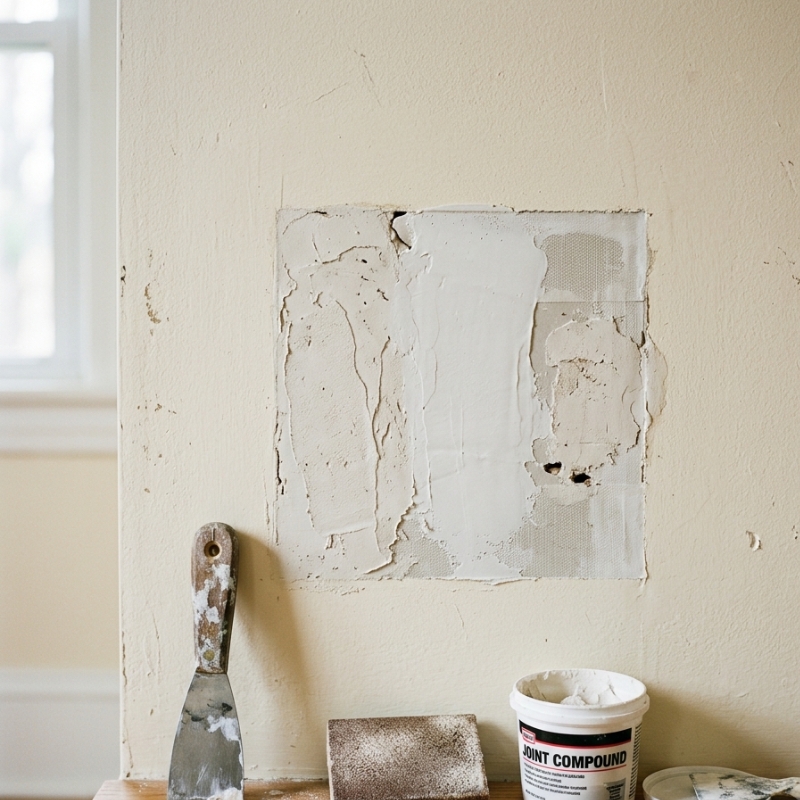
Sydney’s housing stock runs from 1900s terraces all the way to shiny off-the-plan apartments. Wherever you land on that spectrum, the walls pick up marks. A chair backed into the plaster. A door handle that’s swung once too often and left its dent. Hairline cracks that open up as the place shifts with the seasons. None of it’s really avoidable. So the urge to grab a tub of filler and “sort it on Saturday” is strong — and a slick two-minute video makes it look like a doddle. What those clips never show you is the feathering, the sanding dust, the second and third go you end up doing. Before you prise the lid off that premixed tub, it’s worth asking honestly: can a DIY patch actually match professional plastering in Sydney?
Where DIY Patching Makes Sense
There genuinely are jobs where rolling up your sleeves makes sense. A really minor dent — pencil-eraser sized — usually vanishes under a smear of lightweight filler and a quick sand. Budget comes into it too. If you’ve already got trade-quality sanding blocks in the shed, a micro-repair in some low-visibility corner is a fair experiment.
Renters doing end-of-lease touch-ups tend to go DIY as well. Agencies generally just want the small nail holes filled, and as long as you prime and repaint in the exact colour, those spots slip past an inspection unnoticed. What matters here isn’t technical mastery — it’s patience, a bit of confidence, and actually caring about the prep.
The Hidden Time Cost Most Guides Skip
Those instructional videos squeeze a job that spans days into three neat minutes. In reality, the compound has to dry all the way through — deeper gouges especially — before you can sand it and lay a second coat. A humid Sydney summer can stretch that from an overnight wait to 24 hours or more. Then there’s everything around the patch: floors to tarp, dust to clear off the cornices, and the whole wall to repaint so the light doesn’t catch a difference in sheen. That “quick” fix has quietly swallowed your weekend.
Pros get around this in a different way. Rapid-set compounds and heat guns help — but the real trick is sequencing. They’ll patch a wall first thing, head off to another room while it cures, come back to sand, and spray prime at exactly the right moment. That kind of choreography is hard to pull off with one pair of hands and a household toolkit.
Tool Quality Shapes the Finish
Your finish is only ever as good as the gear putting it on. The kits in the big hardware chains are handy enough, but the blades tend to be narrow and a bit flexy, and that flex leaves faint ripples behind. A pro turns up with something different:
| Essential Tool | DIY Entry Level | Trade-Grade Equivalent | Why It Matters |
| Joint knife | 100 mm plastic | 150 mm stainless, precision-ground | Wider blade feathers the edges flatter |
| Sanding | Loose paper | Pole sander, 180–220 grit mesh | Keeps the surface plane consistent |
| Compound | Lightweight filler | Three compounds — base, topping, fast-set | Each layer does its own job |
| Lighting | Ceiling downlight | Raking LED work light | High and low spots show up straight away |
Kit yourself out like that, and the gap between DIY and pro narrows a lot — but you’ve also spent enough that paying a plasterer starts to look about even on cost.
For the broader prep side of things, the blog on how to prepare walls for painting goes deeper into sanding grits, primers and dust control — handy reading if a patch is on your list.
Surface Preparation Decides Everything
Old paint has a way of hiding earlier repairs. Rap your knuckles on the plasterboard, and you’ll sometimes hear a hollow spot where the sheet’s delaminated — skim straight over that and the patch pops off within months. A plasterer will test the area around it, cut out whatever board’s gone, re-screw any sheets that have worked loose, and tape the joints so they don’t crack again down the track.
Moisture is the other quiet troublemaker — no surprise in coastal spots like Coogee or the humid apartment pockets along the Parramatta River. Hygroscopic salts can leach up through fresh compound and leave yellow rings behind. So a certified plasterer checks for the source first: a weeping pipe, water getting in through the roof, a bathroom that never gets to dry out. Skip that bit of detective work and you can end up right back where you started.
There’s Government guidance on gypsum products that makes a similar point — pick the right board for the job, follow the installation steps the manufacturer sets out, and the result lasts.
When to Call a Pro Instead
A few things should send you straight to a professional:
- Cracks wider than the edge of a credit card — particularly ones fanning out from a window lintel, which can point to structural movement.
- A water stain that still feels damp two days on. That’s a live leak, and filling over it wastes your time until the source is sorted.
- Heritage cornices or an ornate ceiling rose to match — that’s moulded-plaster work, and few DIYers have the hand for it.
- Anything you’re doing for resale photos. Agents know buyers drag their fingers along the walls in full daylight.
In cases like these, a small cosmetic difference can swing a valuation, sour a tenancy negotiation, or — worst case — end up logged as an undisclosed defect. Paying for a clean finish isn’t really an indulgence. It’s just managing the risk.
Takeaways for Sydney Homeowners
DIY patching absolutely has its place — it clears small blemishes when the budget’s tight and you’ve got the time. But a genuinely invisible repair asks for more than filler and good intentions. Drying times run long. Cheap knives wobble. Moisture hides where you can’t see it, and sanding dust settles into the skirting recesses hours after the job “looks” finished.
A plasterer brings the workflow discipline, the proper tools, and an eye for what’s going on under the surface. So for the odd scuff hidden behind the couch, keep the filler within reach. For anything out in plain view — or any wall you’re planning to paint in the next year — think hard about what a properly credentialled finish is worth. Your paint is only ever as good as the surface under it, and that plaster is the unsung part that decides it.

