
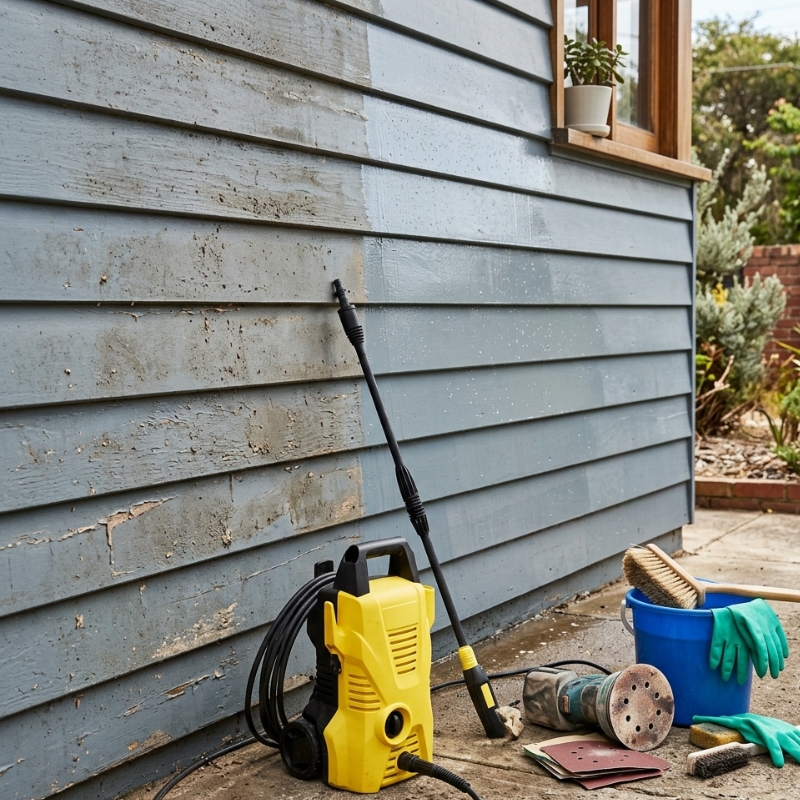
A fresh coat of paint can make a tired façade look new again, so it is no surprise many Sydneysiders reach for the ladder and roller on a sunny weekend. Yet what looks like “just painting” is a multi-step process that affects how long your finish lasts, how well it shields timber or brick from moisture, and even how buyers judge your property. When preparation shortcuts are taken or the wrong products are chosen, that budget-saving weekend project can end up requiring an early repaint, remedial repairs or professional rectification work. If you would rather prevent those expensive do-overs than learn the hard way, start by understanding the errors that trip up even enthusiastic DIYers. And remember, if you decide the job looks bigger than the back deck, you can always turn to professional exterior painting help instead of risking your home’s first line of defence.
Why Good Intentions Often Lead to Expensive Repaints
Homeowners usually tackle exterior painting to save money, enjoy a sense of achievement or work to their own timeline. The trouble starts when inexperienced painters underestimate:
- How much surface preparation really matters
- The impact of Sydney’s changeable weather on drying and curing times
- The way different substrates (weatherboard, brick, render, fibre-cement) demand different primers and topcoats
Repairing premature peeling, blistering, or water ingress is almost always costlier than doing the job correctly the first time. Let us look at the repeat-offender mistakes that create those headaches.
Mistake 1: Skipping Proper Surface Preparation
A flawless topcoat cannot hide an unstable base. Common prep shortcuts include:
- Failing to wash down accumulated dirt, salt spray or mildew
- Neglecting to sand glossy or flaking areas back to a sound surface
- Filling gaps but not allowing filler to cure before coating
Why it costs more later: Paint struggles to bond to chalky or contaminated surfaces. Blisters, flaking or mould reappear within months, forcing a total strip-back instead of a simple touch-up.
Practical tip: Budget at least a full day for washing, scraping, sanding and caulking. High-pressure or soft-wash cleaning the day before allows time for walls to dry before you prime.
Mistake 2: Painting in the Wrong Weather Conditions
Sydney might shout “perfect painting day” one minute and deliver afternoon showers or a southerly change the next. Humidity, temperature and direct sun matter because they affect open time and cure.
What can go wrong:
- Coating in direct summer sun can cause lap marks or blistering as the skin forms too fast.
- Cold snaps below 10 °C slow curing and leave the film soft and vulnerable.
- Afternoon sea breezes push salt onto wet paint near the coast, reducing adhesion.
Costly fallout: Having to sand back tacky or blistered sections and repaint once the weather stabilises.
Pro tip: Work on the shaded side of the house and follow the product’s specified temperature and humidity window.
Mistake 3: Choosing the Wrong Paint System for Sydney’s Climate
Supermarket specials look tempting, yet not all acrylics or enamels are created equal. Homeowners often purchase:
- Interior paint, thinking “paint is paint”
- Low-grade exterior paints with minimal UV-blockers
- Oil-based systems on substrates that need breathability
Result: Premature fading, chalking or moisture entrapment behind the film.
Spend-wise advice: Invest in a quality exterior line designed for Australia’s UV intensity and coastal conditions. It often comes with self-priming technology or flexible binders that handle temperature swings.
Mistake 4: Ignoring Primer and Sealant Steps
Primer is not just for hiding old colours; it:
- Seals porous substrates so the topcoat spreads evenly
- Promotes adhesion on tricky surfaces like galvanised metal or set plaster
- Blocks tannin, rust or water stains from bleeding through
Skipping primer risks staining, flaking and uneven sheen that looks amateur and reduces longevity. You are then paying twice for paint and labour to redo it.
Mistake 5: Relying on the Wrong Tools or Techniques
From dollar-store brushes that shed bristles to over-thick coats applied by a cheap sprayer, tool choice impacts finish quality. Other common technique blunders include:
- Dipping the roller just on the ends, causing patchy coverage
- Not back-rolling sprayed sections to even out the film build
- Cutting in and leaving it to dry before rolling, which locks in visible brush lines
Need a deeper dive into application challenges? See our article on the biggest challenges in DIY exterior painting for more hands-on tips.
Mistake 6: Overstretching the Paint Coverage
Manufacturers list square-metre coverage for a reason. Trying to “make the tin go further” produces thin, under-film coats that lack the thickness needed for full UV and moisture protection. The surface may look covered but degrades faster, requiring another two-coat cycle years earlier than expected.
Reality check: Two generous coats almost always outlast three stingy ones.
Mistake 7: Forgetting Safety and Compliance Considerations
Old homes can hide lead-based paint, asbestos eaves or require fall protection beyond the backyard ladder. Failing to check local regulations or use appropriate protective gear can create expensive health or legal consequences. NSW guidelines state that sanding or burning off lead paint must follow specific containment and disposal rules. You can find these requirements via the NSW Fair Trading guidelines.
Savings illusion: The fines for unsafe removal or the medical bills from inhaling dust quickly eat any DIY savings.
Mistake 8: Patch Fixes Without Addressing Underlying Problems
Covering up peeling paint around window sills without stopping water ingress behind the timber does nothing to fix the cause. Moisture continues its work, and larger sections peel within a season. The eventual repair may involve timber replacement and full recoating, whereas a proper investigation at the start could have saved both money and historic joinery.
DIY or Professional? A Side-by-Side Cost Reality Check
Below is a simplified comparison to show why the “cheaper” DIY path sometimes turns into the long-term costlier route.
| Scenario | Up-front Outlay | Likely Lifespan Before Repaint | Hidden/Follow-Up Costs |
| Thorough DIY project (correct prep, premium paint, proper weather window) | Moderate: paint, tools, safety gear, time off work | 7–10 years | Minimal if done by the book |
| Fast-tracked DIY with common mistakes above | Low initial spend | 2–4 years, sometimes less | Early repaint, moisture repairs, sanding back failures |
| Professional repaint with a warranty | Higher initial invoice | 10+ years (product and workmanship guarantees) | Usually only routine washdowns |
Short on time? Factor in the lost weekends, safety gear, and potential rectification into your DIY budget before deciding.
Questions to Ask Yourself Before Picking Up the Roller
- Do I have safe access equipment for upper storeys?
- Am I confident in identifying and removing lead-based coatings?
- Can I set aside multiple clear-weather days for prep, priming and two topcoats?
- Will I truly follow manufacturer spread-rate guidelines, or am I likely to stretch the tin?
- If problems appear later, am I prepared to fix them or call a professional?
Honest answers will tell you whether DIY or professional help makes better financial sense.
Common Myths That Lead to Premature Repainting
- “Exterior paint is self-cleaning, so prep is optional.” Even so-called self-cleaning coatings need a clean surface first.
- “A single thick coat equals two thin coats.” Thickness is uneven with one coat, leaving weak spots.
- “You can paint any day under 30 °C.” Humidity and wind chill alter curing even when the thermometer looks fine.
- “Interior leftover paint is fine for soffits.” Those areas still face moisture and temperature swings.
Busting these myths early helps protect both wallet and façade.
FAQ 1: What is the best season for exterior painting in Sydney?
Autumn often provides the most stable temperatures and lower humidity, giving paint time to cure before winter rain. Late spring can also work if you monitor unexpected heatwaves. Avoid mid-summer sun or days with forecast showers.
FAQ 2: How long should I wait between coats?
Most quality acrylics recommend at least two hours touch-dry and four hours recoat at 25 °C and 50 % humidity. Cooler or more humid days extend that window. Always read the tin rather than guessing.
FAQ 3: Can I just spot-prime bare patches before painting?
Spot-priming works only when the surrounding paint is sound, feather-edged and cleaned. If multiple patches exist, a full primer coat ensures consistent sheen and adhesion.
FAQ 4: Do I need to sand between coats?
Light sanding or de-nibbing between coats improves adhesion and removes dust. Use fine 220-grit paper or a sanding sponge, then wipe down before repainting.
FAQ 5: Is it worth investing in high-quality brushes and rollers?
Yes. Good tools hold more paint, lay off smoother and shed fewer fibres, meaning fewer visible marks and less wastage. They also last longer when cleaned properly.
Final Thoughts
Doing your own exterior painting feels rewarding, but a flawless, long-lasting finish demands far more than a weekend and a cheap brush. The biggest money pits come from skipping prep, misjudging weather or using the wrong products. Before you commit, tally the real costs of rectifying blistering, moisture damage or early fading. If you are unsure at any step, bringing in a qualified painter now is almost always cheaper than paying for fixes later.

