
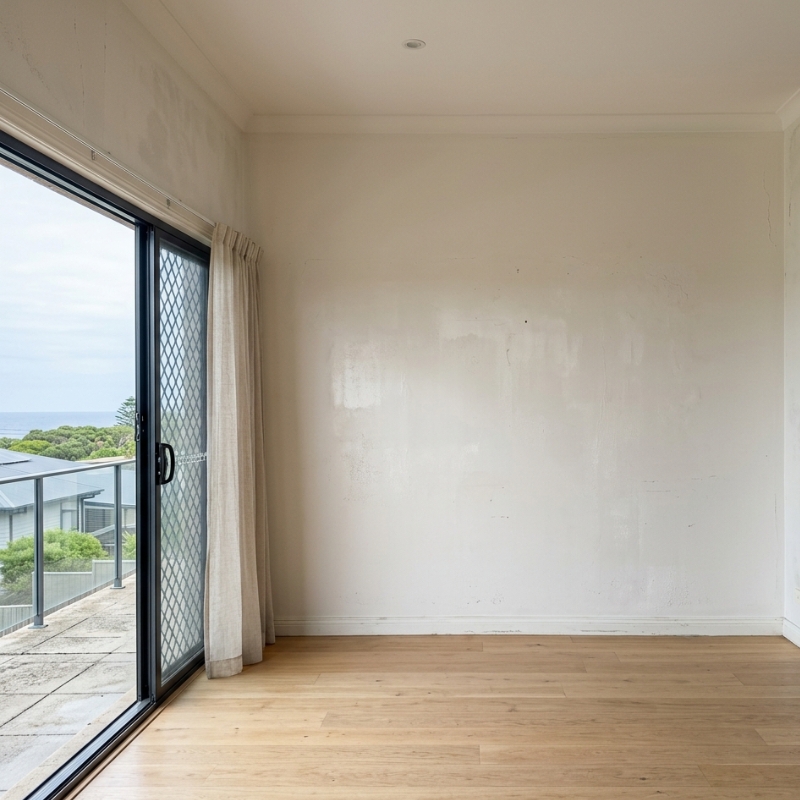
Sydney’s weather is a curious mix for paintwork. Humid summer days can push indoor moisture levels higher than you realise, while crisp winter nights leave certain rooms cool and dry. That combination slowly stresses paint films, meaning one home might need a fresh coat well before the national “every 10 years” rule of thumb. If you are weighing up a full colour change or simply want walls that look inviting year-round, this guide will help you decide when to call in professional residential painters and when a quick clean is enough.
1. Why Sydney’s Humid–Cool Climate Affects Interior Paint Longevity
Sydney sits in a temperate coastal zone. Most suburbs experience:
• Summer humidity averaging 65 – 70 per cent indoors
• Sudden westerly dry spells that wick moisture from plasterboard
• Salt-laden breezes in coastal areas that can leave residue on open-window rooms
• Winter lows close to 8 °C, which slow paint curing if heaters are used inconsistently
Over time, these swings cause fine expansion and contraction of wall materials. Paint stretches and relaxes in response. Add daily condensation from showers, cooking vapour or even drying clothes indoors and paint films begin to:
• Lose sheen more quickly
• Develop faint chalky residue on wipe-down
• Discolour around air-conditioning returns or wall heaters
• Form tiny hairline cracks, especially near windows
Understanding this climate dance sets realistic expectations for how long a quality paint job will last.
2. Typical Repaint Timelines by Room Type
The table below summarises how often Sydney homeowners generally find repainting worthwhile. Use it as a starting point, then adjust for your household’s activity level and cleaning habits.
| Room or Area | Average Repaint Cycle in Sydney | Climate Factor to Watch | Simple Maintenance Between Jobs |
| Bedrooms (adult) | 8 – 10 years | Moderate humidity. Minimal traffic. | Dust with a soft mop. Spot clean scuffs early. |
| Bedrooms (children) | 5 – 7 years | Finger marks, artwork and higher humidity from closed windows. | Washable low-VOC paint helps. Clean with warm soapy water quarterly. |
| Living & dining | 6 – 8 years | Daily traffic, heater use in winter, coastal salt if windows open. | Gentle sugar-soap wipe annually. Use felt pads on furniture. |
| Kitchen | 4 – 6 years | Steam, grease, regular wiping. | Use semi-gloss or washable matte. Ventilate while cooking. |
| Bathrooms & laundries | 3 – 5 years | High humidity, temperature swings. | Exhaust fans on during and after use. Check for mould monthly. |
| Hallways & stairwells | 5 – 7 years | Scuffs from bags, pets, kids. | Magic-eraser marks quickly before they embed. |
| Ceilings | 8 – 12 years | Less contact but exposure to moisture and cooking vapours. | Wipe ceiling cornices yearly to remove dust webs. |
These ranges assume high-quality paint, solid surface prep and normal family use. Rental properties, large families or homes where occupants smoke indoors often sit at the shorter end.
3. Early Warning Signs Your Walls Need Attention
Waiting for obvious peeling is rarely wise. Interior repainting is far simpler (and cheaper) when surfaces are still mostly intact. Look for:
• Fine, spidery cracks following plaster joints
• Yellow or grey shadows where moisture has been trapped
• Loss of light reflection on once-sheen surfaces
• Scuffs that no longer wash off with mild detergent
• Hairline corner cracks that reopen soon after patching
• Mould dots forming on bathroom or wardrobe walls despite cleaning
If two or more of these show across large areas, a full repaint is usually worth planning.
4. Factors That Shorten or Extend Paint Life
- Surface preparation
Poor sanding, missed dust removal or skipping primer can halve paint life. - Paint quality and sheen
Washable matte and low-sheen formulas survive gentle scrubbing better than flat builder’s paint. - Room usage
A home office rarely needs the same schedule as a playroom. - Ventilation and HVAC
Balanced airflow keeps relative humidity between 40 – 60 per cent, slowing mould and blistering. - Cleaning products
Abrasive creams remove protective resin. Opt for pH-neutral cleaners instead. - Direct sunlight
North-facing rooms fade quicker. Curtains or blinds on bright afternoons can add two years to colour vibrancy. - Humidity management
According to NSW Health advice on humidity and mould, rooms that sit above 60 per cent humidity for long periods are prone to mould growth. Exhaust fans and dehumidifiers protect paint films from early failure.
5. DIY Touch-Up, Full Repaint or Wait? A Simple Decision Guide
• Minor scuffs in low-traffic corner: Touch up with leftover paint if colour match remains true.
• Widespread chalky patches but no cracking: Plan a full repaint within 12 months before substrate damage begins.
• Living room colour looks tired after furniture update but paint is sound: You can wait, though aesthetic preference might prompt a refresh sooner.
• Bathroom ceiling showing mould spots despite cleaning: Prioritise repaint with moisture-resistant coating and ventilation checks.
If unsure, do a 24-hour wash test: clean a 30 cm square with sugar soap. If, once dry, the area still looks dull or patchy compared with surrounding wall, the paint film is worn.
6. Common Mistakes Sydney Homeowners Make When Delaying Repaints
- Over-washing flat paint finishes, accelerating erosion.
- Sealing hairline cracks with flexible filler but forgetting to prime, causing flashing.
- Ignoring ceiling discolouration around air-con vents until staining bleeds through multiple coats.
- Letting children’s artwork sit for months; markers can migrate into new paint layers.
- Painting during extreme humidity or cold snaps, leading to slow curing and future peeling.
7. Quick 5-Minute Wall Inspection Checklist
Stand in each room with daylight or bright white LEDs on:
• Scan from skirting to ceiling for colour variation.
• Run fingers lightly along mid-wall; chalk on your skin signals binder breakdown.
• Press gently on any bubbling paint; if it feels hollow, moisture may be trapped.
• Check corners for cobweb-like cracks.
• Shine a torch at a shallow angle to reveal sheen loss or roller texture.
Do this twice a year—autumn and spring link well with Sydney’s seasonal transitions.
8. Preparation Matters: How to Get Longer from Your Next Paint Job
Surface prep is the biggest life-extender you control. Before your next colour change, read Mi Painting & Maintenance’s guide on preparing walls before repainting. Investing extra hours in proper cleaning, patching and priming easily adds two to four years of fresh appearance, especially in humid rooms.
Key prep steps worth the effort
- Moisture testing plasterboard after leak repairs.
- Sanding between coats of primer and topcoat for a tighter film.
- Using mould-inhibiting undercoat in bathrooms and laundries.
- Caulk gaps around skirting and trims to prevent dust lines.
Even if you hire painters, asking about their prep routine is a smart way to gauge quality.
FAQs
1. Does interior paint haze or yellow faster in coastal Sydney suburbs?
Yes, salty air that drifts indoors can leave microscopic crystals on paint. These reflect light differently, making pale colours look dull or yellow sooner. Regular damp-cloth cleaning slows the effect.
2. Can low-VOC paints last as long as traditional acrylics?
Most premium low-VOC formulations on today’s market perform on par with standard acrylics for colour retention and scrub resistance. The key is pairing them with the right primer for your surface.
3. Will running a dehumidifier really protect interior paint?
Keeping rooms under 60 per cent relative humidity reduces mould spores and stops paint films from taking on extra moisture. Over a decade, that can add a year or two to the next repaint timeline.
4. Is it safe to repaint in winter?
Painting is fine if the room temperatures stay above 10 °C and the relative humidity is below 70 per cent. Use heaters and fans to maintain airflow, and allow longer drying times between coats.
5. How soon can I wipe freshly painted walls?
Give standard acrylic paint at least two weeks’ cure time before any wet cleaning. Light dusting is fine after 48 hours.
Final Thoughts
Humid summers, brisk winters and lively households each leave fingerprints on Sydney interior walls. By checking problem spots early and understanding typical repaint timelines for every room, you can budget smarter and keep your home feeling fresh without the last-minute rush. When the signs suggest it is time, a well-planned repaint—built on thorough surface prep—will reward you with colours that stay vibrant far beyond the average lifespan.

