
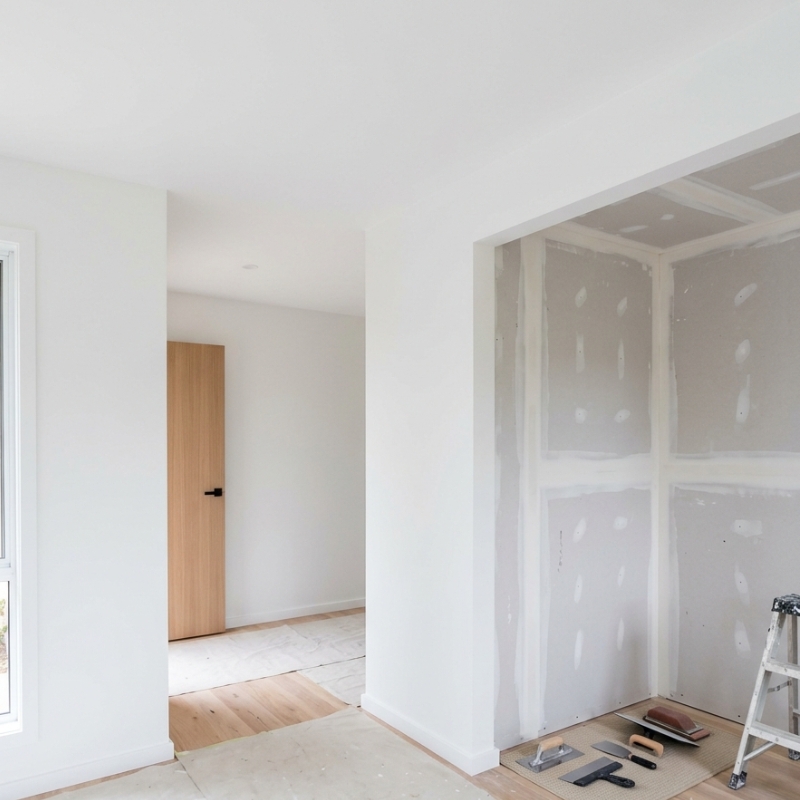
More Than Cosmetic Appeal
Sydney renovators often focus on the big-ticket items—kitchens, bathrooms, flooring—yet the humble wall surface quietly influences every room. Correct plastering creates a true, level substrate, stopping minor framing variations from telegraphing through paint or wallpaper. Without that solid base, even premium finishes struggle. Early in the project, choose a crew with proven plastering skills; it safeguards the outlay you’re about to make on cabinetry, tiles and furnishings. For those lining up trades right now, our plastering team in Sydney explains surface requirements upfront so the schedule stays tight.
Beyond Smooth Walls
Well-executed plaster does three jobs that new renovators usually underestimate.
- Structural stiffening
Modern Gyprock sheets rely on jointing compounds to become a single diaphragm. A rushed or thin set can crack under door slams and seasonal movement, forcing expensive call-backs.
- Fire and moisture resistance
Bathrooms, laundries and multi-storey homes need the correct board—typically moisture-resistant or fire-rated. Matching the board, tape and compound keeps warranties intact and satisfies the BASIX certificate many Sydney councils demand.
- Acoustic control
Sound flanking through stud cavities is a leading complaint in townhouse developments. Doubling the board or adding an acoustic compound during plastering costs far less than retrofitting baffles after hand-over.
A builder can always skim another coat of paint, but fixing a bowed or poorly taped wall means cut-outs and dust. Getting plaster right the first time protects walls for decades.
Health and Comfort Gains
Paint hides plaster yet indoor air still meets the core material every day. Low-VOC compounds, mould-inhibiting additives and proper drying time reduce lingering odours and prevent mildew—useful in Sydney’s humid coastal climate. Insulating plasterboard can nudge energy bills down by reducing thermal bridging at wall studs. That matters when summer temperatures hit the high 30s and the split-system runs all night.
For readers wondering about finishing steps after the wall dries, our guide on painting a freshly plastered surface walks through primer choices and cure times so the colour coat bonds properly.
Quick look at common board options
| Board type | Typical location | Benefit | Watch-out |
| Standard 10 mm Gyprock | Living areas | Economical, easy to cut | Prone to impact dents |
| Moisture-resistant (MR) | Bathroom, laundry | Resists humidity | Heavier to handle |
| Fire-rated (FR) | Garage wall to house, multi-occupancy dwellings | Slows flame spread | Must keep factory edge integrity |
| Acoustic laminate | Home theatres, semis | Cuts transfer by ~4-6 dB | Extra cost, thicker reveals |
Choosing the right sheet during the framing stage stops post-handover disputes and keeps the job aligned with NCC requirements.
Setting Up the Next Trades
Think of plastering as the hand-off between rough-in and the visible finishes. Electricians rely on flush boxes, tilers on plumb corners, and painters on a dust-free surface. When the plasterer leaves proud joints or neglects internal angles, every trade after spends extra hours sanding or shimming. That delay snowballs: appliances arrive before walls cure, or floor installers work around still-wet sanding dust.
Experienced Sydney builders lock in a detailed plastering scope:
- Corner beads rated for external or wet areas
- Expansion joints on corridors over 12 m long
- Square-set ceilings or cornices pre-agreed with the painter
These points sound minor, yet they determine whether renovation photos show crisp shadow lines or wavy junctions.
Cost Reality
Budget spreadsheets often lump plaster into “wall lining”, masking how variations hit the bottom line. Here are realistic drivers rather than clickbait price tags:
- Sheet size vs stair access: a 5.4 m board speeds installation on wide corridors but can’t turn tight terraces, adding join lengths.
- Level-5 finish: popular in high-gloss spaces; requires a full skim coat and lightbox check, adding at least a day’s labour.
- Waste removal: City of Sydney tip fees climbed again this year, so off-cuts and compound buckets cost more to dump legally.
Cutting corners rarely pays. A mis-set butt joint under a skylight will show every afternoon, nudging owners to demand a redo. Spending proportionally on correct board, proper bedding, and an extra sanding pass preserves resale value far beyond the initial outlay.
Regulatory Touchpoints
Plastering intersects with the National Construction Code and Work Health and Safety rules. The NCC calls up AS/NZS 2589 for installation tolerances, joint treatment and control joints. NSW Fair Trading inspectors reference those clauses when signing off multi-unit builds. Skipping expansion joints or winging it with non-labelled compound risks a rectification notice. To stay current, review the state’s guidelines on building and renovating compliance before final selections.
Key Takeaway for Sydney Homes
Plastering carries a reputation as the dusty middle step between framing and paint, yet its impact ripples through structural integrity, energy use and finish quality. Allocate the budget and time it deserves, brief the crew precisely, and confirm the board type aligns with room use. Your cabinetry lines up, your paint glides on, and your new space feels solid from day one.

