
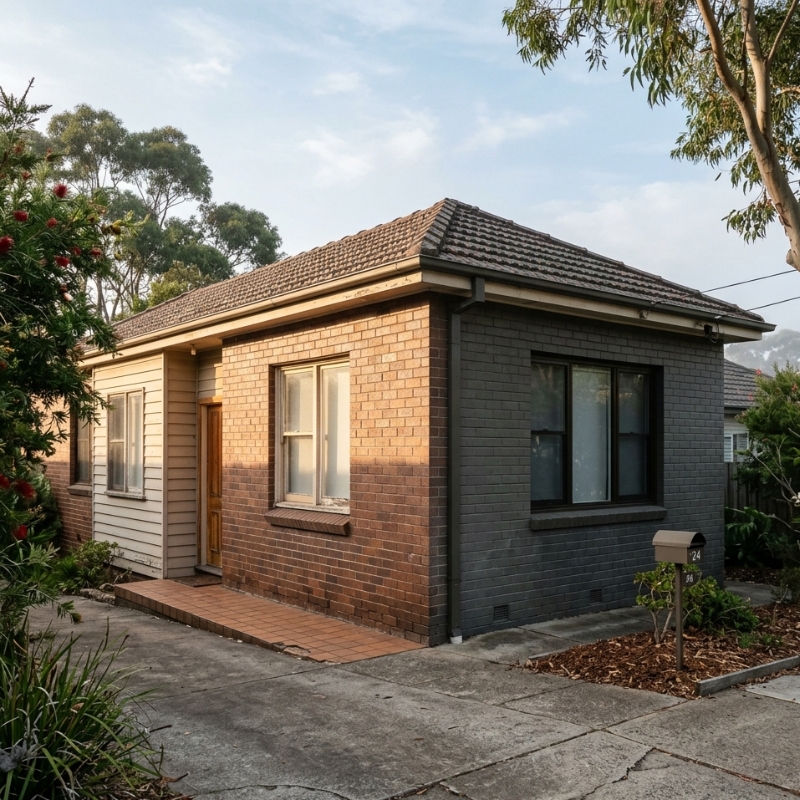
Sydney homes live in the real world: sharp UV, salty coastal air in some suburbs, sudden heavy rain, muggy stretches, and big differences between shaded streets and wide-open, sun-baked blocks. That’s why painting longevity is rarely a single number.
A better approach is to use realistic ranges, then adjust based on your home’s exposure and the condition you can actually see. This guide walks you through Sydney-specific timelines for interiors and exteriors, what shortens them, what stretches them, and the early warning signs that tell you it’s time for a refresh.
Why Sydney timelines vary so much
Two houses can be ten minutes apart and age at totally different speeds. The difference usually comes down to five factors:
• Sun exposure (especially north and west-facing sides)
• Moisture and ventilation (wet areas and older homes feel this most)
• Coastal influence (salt + wind-driven rain)
• Surface type (timber trims and high-touch areas wear first)
• What’s underneath (prep quality, old patches, hidden damp, hairline cracking)
If your home scores higher on sun, moisture, or coastal exposure, expect to sit toward the shorter end of the ranges below.
Sydney timeline map: realistic ranges you can plan around
These ranges assume an average Sydney household with normal use. Your personal results can shift based on pets, kids, cleaning habits, and how your home sits on the block.
Interior walls (living rooms, bedrooms, hallways)
Interior wear is usually driven by traffic, cleaning, and sunlight coming through windows.
Typical Sydney range:
• Lower-traffic rooms (bedrooms, formal living): around 7–12 years
• Hallways, entries, kids’ zones, busy living areas: around 4–8 years
Shortens the timeline:
• Frequent cleaning or harsh scrubbing
• Narrow hallways where bags and shoulders scuff walls
• Strong afternoon sun hits one wall daily
Extends the timeline:
• Gentler cleaning, lower traffic, and good window coverings
Wet areas (bathrooms, laundries, some kitchens)
Sydney’s humidity means wet areas can age early if ventilation is poor.
Typical Sydney range:
• Well-ventilated wet areas: around 3–7 years
• Poor ventilation or frequent condensation: around 2–5 years
Shortens the timeline:
• Exhaust fan is rarely used or not run long enough
• Condensation on walls/ceilings most mornings
• Black spotting that returns after cleaning
Extends the timeline:
• Consistent ventilation, keeping the room dry, and managing moisture at the source
Ceilings (especially kitchens and bathrooms)
Ceilings show age quickly because they catch steam and cooking residue.
Typical Sydney range:
• Bedrooms/living areas: around 7–12 years
• Kitchens/bathrooms: around 3–7 years
If you’re seeing patchy discolouration or recurring spotting, treat it as a moisture/ventilation clue as much as a cosmetic one.
Exterior timelines: sheltered vs exposed makes the biggest difference
Outside, your home can look “fine for years” on one side and tired on another. That’s normal in Sydney—orientation and shelter are huge.
Exterior walls (general)
Typical Sydney range:
• Sheltered, shaded exteriors: around 8–15 years
• Average exposure: around 6–12 years
• High exposure (full sun, wind-driven rain): around 4–8 years
Timber trims, eaves, fascia, doors, and window frames
These often need attention sooner than broad wall areas because they expand/contract, get more edge wear, and trap moisture at joins.
Typical Sydney range:
• Moderate exposure: around 4–8 years
• High exposure (western sun/coastal): around 3–6 years
Fences, gates, pergolas, and outdoor timber
Outdoor timber is usually the fastest-cycle item in many Sydney homes.
Typical Sydney range:
• Sheltered timber: around 2–5 years
• Fully exposed timber: around 1–3 years
If your outdoor timber is in full afternoon sun or close to the coast, plan for the shorter end.
Coastal vs. Inland Sydney: What Changes and Why
Sydney isn’t one uniform climate. Suburb and microclimate matter.
Coastal and bayside suburbs
Coastal air carries salts. Pair that with wind and moisture, and you often get:
• Faster exterior wear
• More staining or surface breakdown on exposed elevations
• Outdoor timber needing more frequent refresh cycles
Inland Sydney (including hotter western areas)
Heat and UV tend to dominate:
• West-facing surfaces fade and dull faster
• Trims and exposed joins cop more stress
• Interiors with strong afternoon light can show uneven wear sooner
If you want a factual reference point for Sydney’s weather patterns, you can check the Bureau of Meteorology’s climate statistics for Sydney.
A quick exposure score you can do in 2 minutes
Give yourself one point for each “yes”. More points usually mean you’ll land on the shorter end of the ranges.
• Are you coastal/bayside (salt air)?
• Does a west-facing wall get strong afternoon sun?
• Does a north-facing wall get long daily sun?
• Is the wall mostly unsheltered (limited eaves, trees, or screening)?
• Do you regularly notice condensation, mould, or damp patches indoors?
How to read your score:
• 0–1: likely toward the longer end
• 2–3: mid-range
• 4–5: plan shorter cycles and prioritise prevention
The early warning signs that it’s time to refresh
Age is one clue, but condition is the better indicator. These signs usually appear before things look “really bad”.
1) Dusty residue or “chalky” feel outdoors
If you rub the surface and your fingers come away powdery, the finish is breaking down. This shows up first on sun-baked elevations.
2) Fading, patchiness, or uneven sheen
A classic Sydney pattern is one elevation (often west-facing) looking noticeably more tired than the rest.
3) Peeling, bubbling, or blistering
Treat this as a “stop and investigate” sign. It can be driven by moisture, poor adhesion, or underlying contamination.
4) Cracks: hairline vs movement
• Fine hairline cracks can be common in older homes and may be cosmetic
• Wider cracks, cracks that grow, or cracks that reappear quickly can hint at movement or moisture issues
5) Staining that returns
If you clean it and it comes back, it’s telling you something:
• Water stains: leaks, gutter overflow, damp ingress
• Brown/yellow staining: old water damage or contamination
• Black spotting: often moisture + poor ventilation
6) Scuffs and marks that won’t clean off inside
When a wall never seems to look clean again, it’s often because the surface has worn thin or become more porous.
Q&A: Touch-up or full refresh?
Can I just touch up the bad spots?
Sometimes. But touch-ups often show, especially on older walls or in strong light. A touch-up is more likely to blend if:
• The wall is relatively new
• You’re using the same product and finish, and the wall hasn’t faded much
• The area is small and not in the ranking sunlight
If the wall has faded, if the sheen has shifted, or if the patch is large, a full-wall refresh usually looks more consistent.
Why do touch-ups look like patches even with the same colour?
Because ageing changes more than colour. Sun, cleaning, and abrasion change sheen and surface texture, so light reflects differently.
Fix the cause first: the “don’t refresh over this” list
Refreshing over moisture, salt, or mould usually buys a short-lived improvement—then the problem returns.
Address the cause first if you see:
• Bubbling/blistering on an exterior wall
• Soft or crumbly plasterboard
• White powdery deposits on masonry (often linked to salts/moisture)
• Mould recurring in the same spot
• Stains that reappear after cleaning
• Peeling concentrated near gutters, downpipes, windows, or splash zones
If you want your refresh to last in Sydney conditions, it really comes down to the fundamentals — moisture control, sound surfaces, and painting preparation steps that matter before anything goes on the wall.
Room-by-room: what wears first inside Sydney homes
Entry and hallway
High contact zones tend to age early:
• Bag rubs, pram knocks, furniture bumps
• Finger marks near switches
• Frequent spot cleaning
Practical approach:
• Treat these areas as a shorter cycle than bedrooms, even if the rest of the home still looks fine.
Kitchen
Kitchens deal with:
• Cooking residue that dulls the surface
• Regular wiping around splash zones
• Grease films that attract dirt
If it feels like a wall “never looks clean”, the surface may be holding grime because it’s worn.
Bathroom and laundry
Most early wear here traces back to moisture management:
• Exhaust fan not strong enough, or not used long enough
• Steam escaping to adjacent walls/ceilings
• Damp towels and limited airflow
A refresh here is less about time and more about whether the room stays dry day to day.
Exterior hotspots: what fails first outside
West-facing walls and other sun-baked elevations
Sydney afternoon sun can be harsh, and these areas often fade or dull first.
Edges, joins, and timber details
Timber trims and joins are prone to:
• Small gaps where water can enter
• Expansion/contraction stress
• Faster wear on sharp edges
Near gutters, downpipes, and splash zones
Overflow and splashback can repeatedly wet the same area, leading to staining or peeling over time.
Q&A: When is the best time to plan a refresh in Sydney?
Sydney can throw rain and humidity in any season, so think in terms of conditions, not months:
• Stable weather windows are easier than very humid stretches
• Very hot days can stress exposed exterior work (especially on sun-facing walls)
• After long wet periods, surfaces may need extra time to properly dry
How to extend the time between refreshes
You don’t need a complicated schedule—just a few habits that reduce premature wear.
For exteriors
• Gently wash down dusty or salty surfaces occasionally (especially coastal homes)
• Keep gutters and downpipes clear to avoid overflow staining
• Trim vegetation away from walls to reduce trapped moisture
For interiors
• Use gentler cleaning methods (avoid harsh scrubbing that dulls surfaces)
• Ventilate wet areas properly—fan on during and after showers
• Address small scuffs early before they become widespread traffic shading
And if you’re stuck deciding whether you’re looking at normal wear or a deeper moisture/prep issue, it can help to get a professional eye on your walls before you spend time and money on a refresh that won’t hold up.
Sydney scenarios: applying the timelines in real homes
Scenario 1: Inner West terrace with shaded front, sunny rear
• Street-facing areas may hold up longer due to shade and shelter
• Rear elevations can age faster if they get strong afternoon sun
• Hallways often show scuffs early due to narrow access
Practical takeaway:
• Plan different cycles for different elevations, not one schedule for the whole home.
Scenario 2: Northern Beaches home near the coast
• Salt air + wind-driven rain can shorten exterior durability
• Outdoor timber features usually need more frequent attention
Practical takeaway:
• Prevention matters: gentle wash-downs, drainage checks, and moisture control around joins.
Scenario 3: Western Sydney home with hotter summers
• UV and heat stress west-facing elevations and exposed trims
• Interiors near west-facing windows may show uneven wear sooner
Practical takeaway:
• Focus on shading where possible and be realistic about sun-baked areas.
Scenario 4: Apartment with a weather-exposed balcony wall
• Balcony walls can be high-exposure even if the unit feels sheltered
• Internal areas may stay pristine while balcony-adjacent surfaces age faster
Practical takeaway:
• Treat balcony-facing surfaces more like exteriors than interior walls.
FAQ
How often do interior walls typically need a refresh in Sydney?
Many lower-traffic rooms last around 7–12 years, while hallways, entries, and busy family areas often fall closer to 4–8 years depending on wear, cleaning, and sunlight.
How long do exterior walls typically hold up in Sydney?
Sheltered exteriors can last around 8–15 years, average exposure is often 6–12 years, and high exposure (full sun, wind-driven rain, coastal air) areas can fall closer to 4–8 years.
Why does one side of my home look older than the rest?
Orientation and exposure. West-facing and north-facing elevations get more UV and heat, so they often fade, dull, or break down sooner.
Is mould a sign I need a refresh or a ventilation problem?
Often it’s both. If mould returns in the same place, it’s usually pointing to ongoing moisture or ventilation issues. Fix the cause first so the refreshed surface doesn’t fail early.
Can I refresh just one wall in a room?
You can, but it may look different if the surrounding walls have aged or changed sheen. It’s most successful when the other walls are still in good condition and lighting isn’t harsh.
What’s the biggest mistake homeowners make before refreshing?
Covering over moisture, salt damage, or contamination without addressing the cause. That often leads to peeling, bubbling, or staining returning sooner than expected.
What should I do if I’m not sure whether it’s normal wear or a bigger issue?
Look for patterns: recurring stains, bubbling, soft areas, powdery deposits, and cracks that grow. For a longer-term approach to prevention and planning, see painting and maintenance guidance for your home and use it as a simple reference for what to tackle first.

