
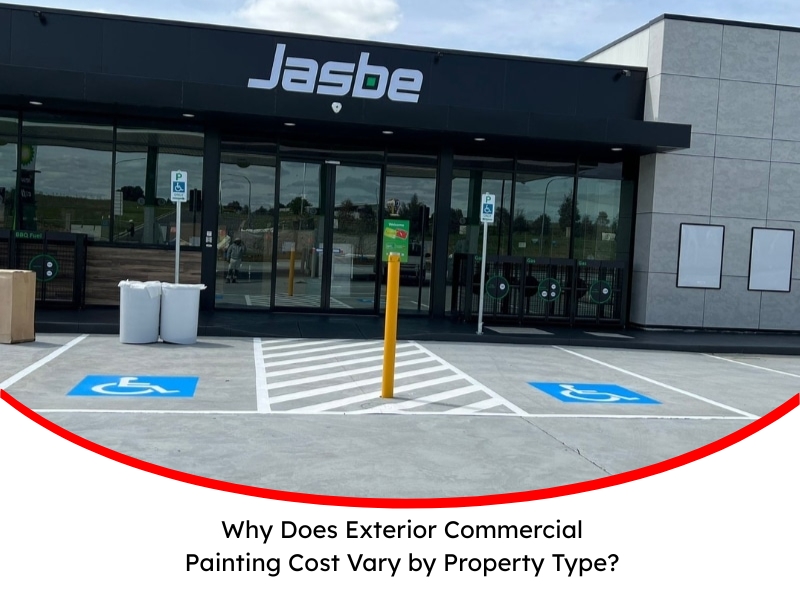
Costs shift because each property type changes access, substrate, risk and program, which pulls labour and materials in different directions. In Sydney, exposure, tenancy patterns, and council controls further complicate matters, so exterior commercial painting costs never sit still. That variability can feel like a moving target, yet it follows patterns you can anticipate. Height, façade design and coating selection drive the dollars, while planning and maintenance keep them in check. When you understand those levers, you avoid blowouts and keep tenants sweet, no worries. Miss them, and you’ll wrestle delays, noise complaints and premature failures. This article shows how property types, preparation, coatings and project controls shape budgets, and how to steady the numbers without cutting corners.
What factors influence the overall exterior commercial painting cost in Sydney?
Different buildings carry different constraints, so costs hinge on more than square metres. You’ll see the impact in access methods, substrate repairs and compliance, especially when programs run tight. Here are the key cost factors:
- Building height and access: Rope access, swing stage, or EWP changes labour hours and supervision.
- Substrate condition: Cracks, chalking and rust increase prep time and primer use dramatically.
- Coating system and colour shift: Extra coats for opacity or UV resistance increase material and labour costs.
- Site logistics: Traffic control, loading zones and night works add indirect costs.
- Weather and exposure: Coastal winds and western sun demand tougher systems and hold points.
- Documentation and QA: Poor scoping leads to waste from unclear scope, variations, and rework.
Choosing a façade scheme also affects branding and wayfinding. Mid-stream tweaks often balloon hours. That’s why many teams weigh design early through commercial painting that shapes your business image while locking scope and alternatives. Plan firmly, and the budget behaves; guesswork invites overruns.
How do preparation and surface conditions impact painting for commercial buildings?
Preparation dictates durability, so skimping only shifts cost into the future. Sydney’s salt and UV punish weak substrates and thin primers, which means better prep beats emergency fixes. Here are the preparation priorities:
- Washing and decontamination: Remove salts, chalk, and grime to prevent early coating failure.
- Crack and joint repairs: Chase, fill and bridge hairlines; re-detail failed sealants before coating.
- Corrosion control: Power-tool clean steel, stripe coat edges, and prime with the right inhibitive system.
- Adhesion tests: Verify compatibility where unknown or aged coatings are present.
- Lead and hazardous materials: Test first; set safe removal and containment plans.
- Opacity planning: Dark-to-light colour changes often need sealing coats for a uniform finish.
Tidy prep protects warranties, reduces callbacks and keeps aesthetics sharp. Moreover, good primers and elastomeric sealants extend the life of cracked or exposed faces. You pay slightly more upfront, but you dodge premature failures and tenant headaches down the track.
Why do high-rise and retail properties face different commercial painting costs?
High-rise jobs carry specialised gear, weather windows and rescue plans, so control measures rise with the skyline. Retail properties juggle trading hours and pedestrians, which changes staging and protection. Here are the property-type pressures:
- Access and risk: High-rise brings higher access risk, anchor certifications and wind holds.
- Public interface: Retail must manage disruption to trading hours, signage and footpaths.
- Program setup: Swing stages suit tall façades; EWPs shine on mid-rise and strip-front buildings.
- Permits and controls: Council approvals, traffic control and out-of-hours works affect budgets.
- Detailing density: Retail façades have more edges and branding; high-rise often has vast, repetitive spans.
- Cleaning and maintenance: Ground-level grime and handling increase retail cleaning frequency.
Comparative table: How property type shifts the numbers:
| Property type | Primary access | Program constraints | Typical drivers | Maintenance cycle note |
| High-rise office | Rope access/stage | Wind, anchor recert | Height risk, rescue plans, weather holds | Longer cycles with high-build systems |
| Retail strip | EWPs / ladders | Trading and foot traffic | Night works, barriers, signage interfaces | Shorter cycles due to grime and scuffing |
| Industrial warehouse | EWPs | Forklift zones, dust | Big spans, fewer details | Economies of scale on walls |
| Education / Health | Mixed | Live environments | Infection control, stakeholder comms | Holiday programs reduce disruption |
| Strata complexes | Mixed | Resident access | Communication load, defects | Cyclical repaints common |
Design choices also change masking time and coat counts. For context that links design to durability, understanding why exterior paint matters for Sydney commercial buildings. Lock access and staging early, and you’ll keep both cost and disruption in check.
Which materials and coatings affect paint durability and long-term costs?
Materials decide how long the finish holds its gloss and colour, especially under the Sydney sun. With the right system, you stretch repaint cycles and reduce disruption. Here are the coating decisions that matter:
- Primers and compatibility: Pair primers with the substrate—masonry, metal, FC, or cladding—to avoid failures.
- Film build and DFT: Elastomerics and high-build coats seal hairlines but add time per coat.
- UV and colourfastness: Lightfast pigments and fluoropolymer finishes resist chalking.
- Moisture management: Breathable systems help vapour escape without blistering.
- VOC and odour limits: Low-odour systems suit schools, health and retail hours.
- Life-cycle economics: Premium materials upfront often deliver lower life-cycle cost over multiple cycles.
Avoid bargain-bin coatings that chalk and fade early; balance speed and performance with curing windows and inspection points. Keep a paint log and batch certs to support warranty signoff and future maintenance planning.
How does professional project management reduce exterior commercial painting cost overruns?
Tight control cuts waste and keeps productivity humming, which reduces the risk of variations. Communication with tenants and neighbours helps the site work with the street rather than against it. Here are the project controls that save money:
- Prestart planning: Risk assessments, SWMS and inductions prevent stoppages and confusion.
- Daily QA and progress: Photos, meterage and sign-offs catch drift early.
- Weather and hold points: Structured inspections protect adhesion and coverage.
- Stakeholder comms: Clear notices prevent complaints and program shocks.
- Permits and bookings: Early traffic control and access bookings stabilise costs.
- Licensing and compliance: Ensure credentials align with NSW painting licence requirements for professionals, and monitor throughout the program.
Good management aligns access, coatings and inspection so crews keep moving. When the plan runs on rails, productivity lifts and delays taper off, too.
Can regular maintenance and repaint cycles lower your overall painting expenses?
A steady maintenance rhythm spreads costs and extends coating life, protecting appearance and keeping tenants happy. It also reduces the hard work of major rectification. Here are the maintenance moves that pay off:
- Scheduled washdowns: Annual washing removes salts and pollutants that attack finishes.
- Sealant and joint checks: Replace early to block moisture and keep paint intact.
- Spot priming and rust treatment: Targeted repairs stop minor issues from spreading.
- Façade logbook: Track dates, products, colours and weather to guide future cycles.
- Bird and water management: Control droppings and runoff that stain and degrade coatings.
- Programmed repaints: Align five-to-ten-year cycles with exposure and brand expectations.
If you want predictable outcomes without fuss, consider trusted exterior painting solutions for Sydney properties as the baseline for scoping and warranty alignment. Consistent care keeps façades sharp, maintains asset value and avoids nasty surprises when budgets are tight.
Final thoughts
Property types change the game, but the rules stay steady: diagnose the façade, match systems to exposure, and control the program. Invest where it lasts, fix minor problems early and schedule around people and weather. When the brief is clear and the sequence is sound, you sidestep rework and keep the dollars where they belong. If a quick expert review is on the cards, discover how Mi Painting & Maintenance delivers lasting exterior results to frame scope, access and timing without locking into risky assumptions.

