Is Spray Painting Walls Indoors Effective Than Brushing?
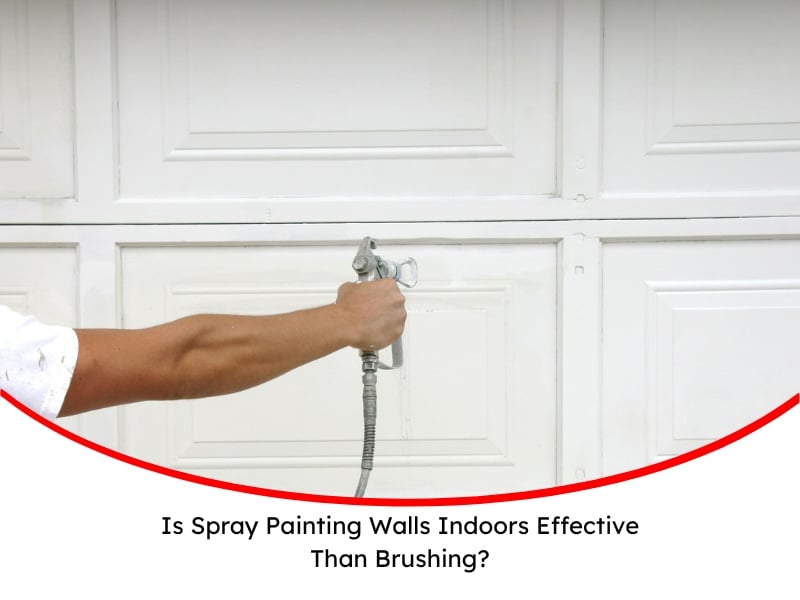
Looking to refresh your interiors but stuck between spraying and brushing? You’re not the only one. Plenty of Aussies are now weighing up whether to spray paint walls indoors for a quicker, cleaner finish—or stick with the old-school brush. But the real question is whether spraying is actually more effective. Effectiveness isn’t just about speed. It’s about coverage, durability, finish quality, and how tidy the job ends up. Spraying can tick all those boxes—but only if it’s done right. With the proper prep and tools, it can outshine brushing in more ways than one. This guide unpacks everything you need to know to decide if this method is worth using on your next indoor job.
What health and safety measures are essential when spraying paint indoors?
Spray painting indoors may seem like a quick fix, but don’t let the convenience fool you—it can be hazardous if proper precautions are not taken. Even seasoned painters don’t mess about when it comes to this part.
- Respirators are non-negotiable. That thin mist may not look like much, but it’s full of stuff you don’t want in your lungs.
- Cracking windows isn’t enough. You’ll want fans pulling air out to keep things from getting stuffy—or worse, toxic.
- Coveralls, gloves, and goggles save your skin and eyes from overspray.
- Double-check your sprayer for pressure leaks. Sounds boring, but if it backfires, you’ll be mopping paint off your ceiling.
- Keep all ignition sources far away. Spray paint is flammable—ask anyone who has lit a cigarette too close to a fresh coat.
- Clear the space of kids and pets. Trust me, paint-covered paws are no joke.
Following professional-grade safety standards is what separates a weekend job from a disaster. It’s no surprise that many tradies refer to safety regulations for spray painting and surface coating as a baseline for getting it right.
How should walls and rooms be prepared before you spray paint indoors?
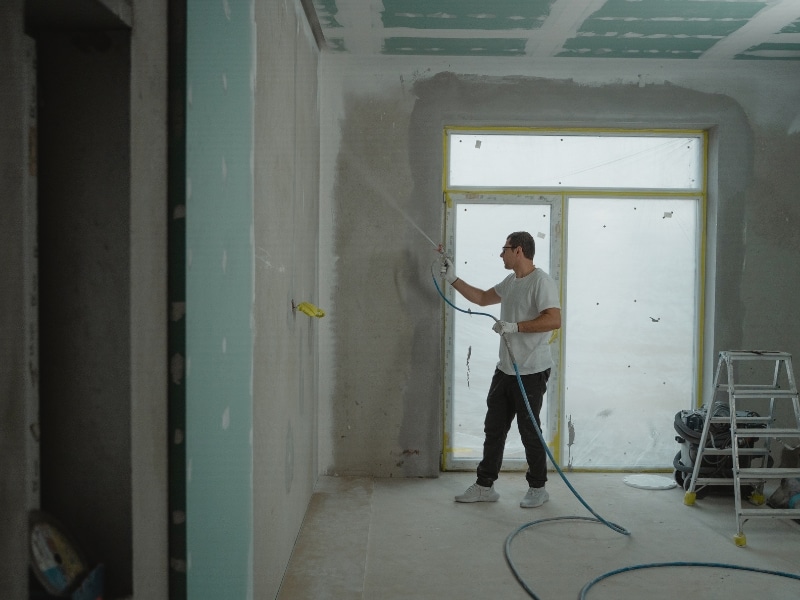
The truth is simple—poor prep always leads to a poor paint job. Spray paint doesn’t care where it lands—it’ll go anywhere you don’t want it to.
- Drape everything—furniture, floors, even light fittings. Overspray floats and settles in places you wouldn’t expect.
- Masking tape and drop sheets are your best mates. Use them generously.
- Give the walls a wipe-down. Grease, dust, or even fly specks can mess with the finish.
- Patch up any cracks or dents. Spraying over dodgy plaster won’t hide a thing.
- A light sand helps the paint stick and smooths out bumps.
- Dark or previously glossy walls might need priming to stop show-through.
- Always check for moisture issues—spraying onto damp plaster is asking for trouble.
A lot of mishaps happen here. If you’re unsure whether you’ve done enough, consider following a reliable step-by-step guide to paint a room like a professional—it’s a solid fallback for getting the basics right.
How does professional indoor spray painting achieve longer-lasting results?
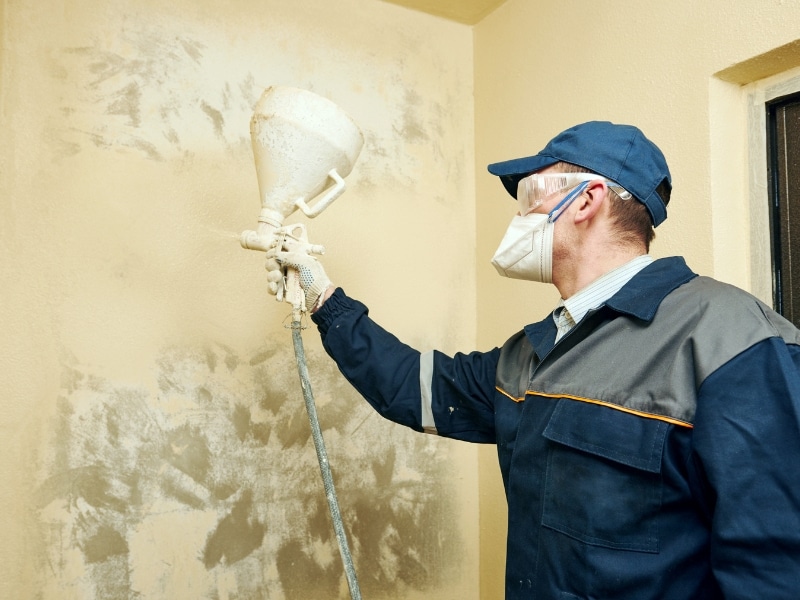
Let’s be honest—most people want to paint once and forget about it for years. That’s where spray painting, done right, leaves brushing in the dust.
- Sprayers apply thin, even layers that dry consistently.
- Paint sticks better when applied in mist form—less clumping, fewer drips.
- Multiple light coats go on faster and bond tighter than one thick coat.
- Trims, corners, and textured surfaces get even coverage without having to poke at them with a brush.
- The result? A durable finish that doesn’t peel when your toddler inevitably bumps the wall with a toy truck.
- It also tends to resist moisture better when combined with the proper primer.
Longevity is where pros earn their keep. They’ve developed a reliable approach to effectively spray paint walls indoors that balances speed with staying power. You’re not just paying for labour—you’re paying not to redo it next summer.
Which finishes can be achieved when you spray paint walls indoors?
Brushed finishes can be nice, but spray painting gives you a level of smoothness you just can’t match by hand. Depending on the look you’re chasing, there’s plenty to pick from.
- Matte is great for bedrooms or ceilings—low key and hides little dings like a charm.
- Satin suits living areas. It reflects a touch of light but doesn’t scream for attention.
- Gloss brings out colour depth and is easier to wipe—perfect for kitchens or playrooms.
- Textured finishes add personality, but be prepared to commit—they’re hard to reverse.
- Eggshell sits between matte and satin. It’s forgiving and subtle, a real crowd-pleaser.
- Semi-gloss gives that clean, polished look and is tough enough to handle regular wipe-downs.
Once your walls are gleaming, you’ll want to keep them that way. Regular cleaning is easier than you think, especially if you’re familiar with effective methods for keeping painted walls spotless.
Here are some comparisons of spray paint wall finishes and their strengths:
| Finish Type | Look & Feel | Best Spots | Strengths |
| Matte | Flat, no shine | Bedrooms, ceilings | Hides small wall defects |
| Satin | Soft glow | Living areas, hallways | Easy upkeep |
| Gloss | High sheen | Kitchens, bathrooms | Wears well over time |
| Textured | Varied patterns | Feature walls, entries | Adds depth and style |
What types of surfaces are best suited to indoor spray painting?
Spraying works brilliantly—on the right surface. But if you hit the wrong one, you’ll be chasing drips and patchy spots all day.
- Plasterboard and rendered walls love spray, especially when prepped right.
- Wooden trims and skirtings come out slick with a few light passes.
- Metal railings, door frames, or vents can also be done—use the right primer first.
- Ceilings and cornices? Spraying makes life easier and saves your neck.
- Even textured walls can look mint if you get the angle and distance right.
- Avoid raw brick and crumbly surfaces—they need sealing or treating first.
Spraying isn’t the answer to every job, but on the right surface, it’s a game-changer.
How do professionals reduce mess and overspray indoors?
Ever found a dusty mist of paint on a window after you’ve finished? That’s overspray. It’s sneaky and shows up everywhere if you’re not careful.
- Airless sprayers help control the spread—they’re less misty than HVLP models.
- Pros mask more than you think necessary. They don’t leave anything to chance.
- Negative air pressure setups pull overspray away from the painted area.
- They also use tight, overlapping passes, rather than broad sweeps that throw paint into the air.
- Extension wands and spray shields help keep the spray where it belongs.
- Light coats = less splatter. Always.
The big difference? Experience. Most tradies didn’t nail it first go—they learned by avoiding repeat mistakes. When it comes to controlling mess indoors, it’s the prep and process that save the day—every time.
Choosing spray paint for walls indoors
So, is indoor spray painting faster than brushing? In the right hands, absolutely. It cuts your time down, delivers cleaner results, and saves you aching arms from hours of rolling. But it also demands patience, prep, and a steady grip. It’s not about rushing—it’s about spraying smart. Whether you’re tackling a complete reno or giving the place a freshen-up before guests arrive, spray painting can get you there with less hassle. Just remember—it’s not a free-for-all. Do it right, and you’ll be patting yourself on the back every time you walk into the room. And if you’re feeling stuck or unsure where to start, having a chat with the team for some guidance from Mi Painting & Maintenance can help point you in the right direction. A bit of expert advice never hurts when you want the job done right the first time.

